Arrested Development
About the Project
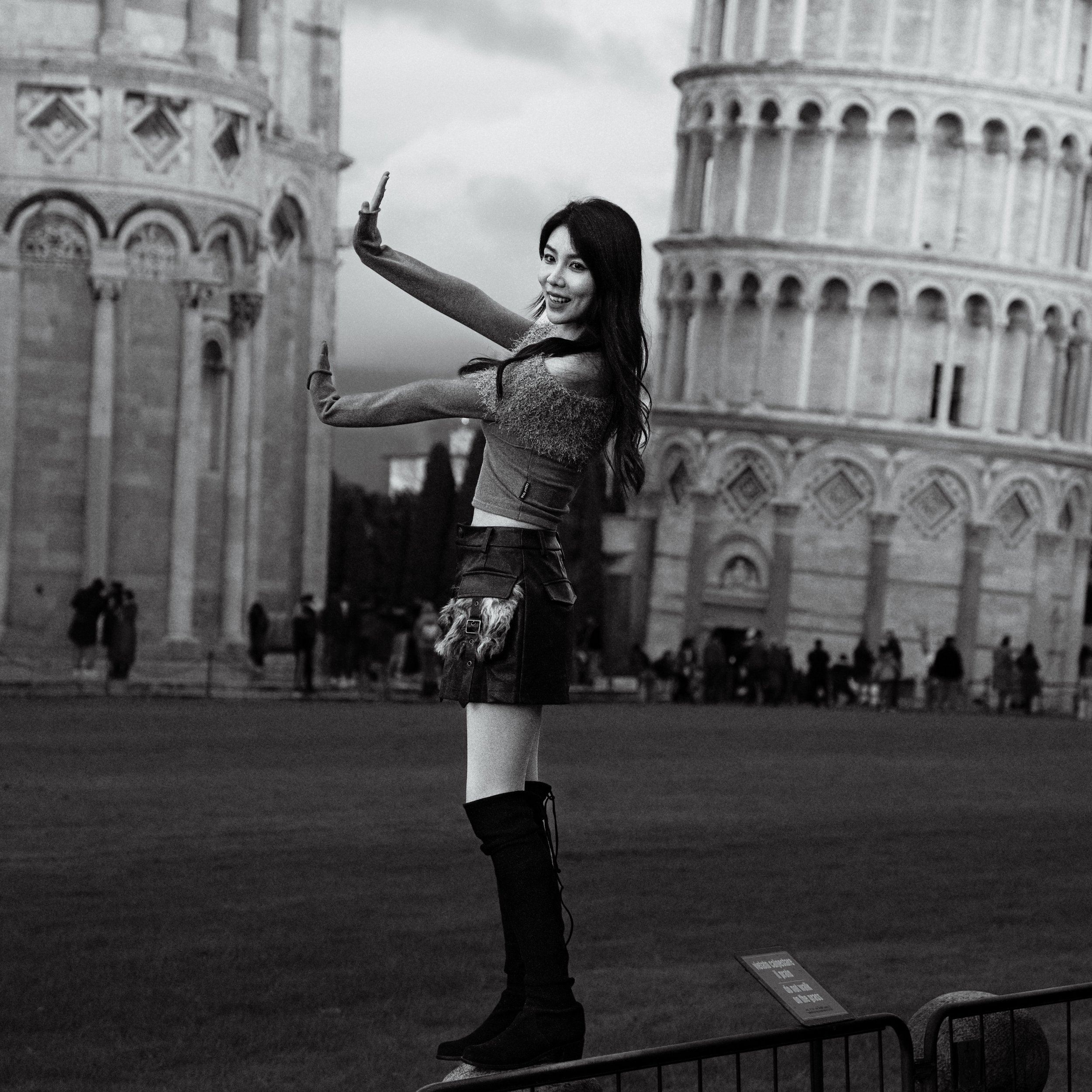
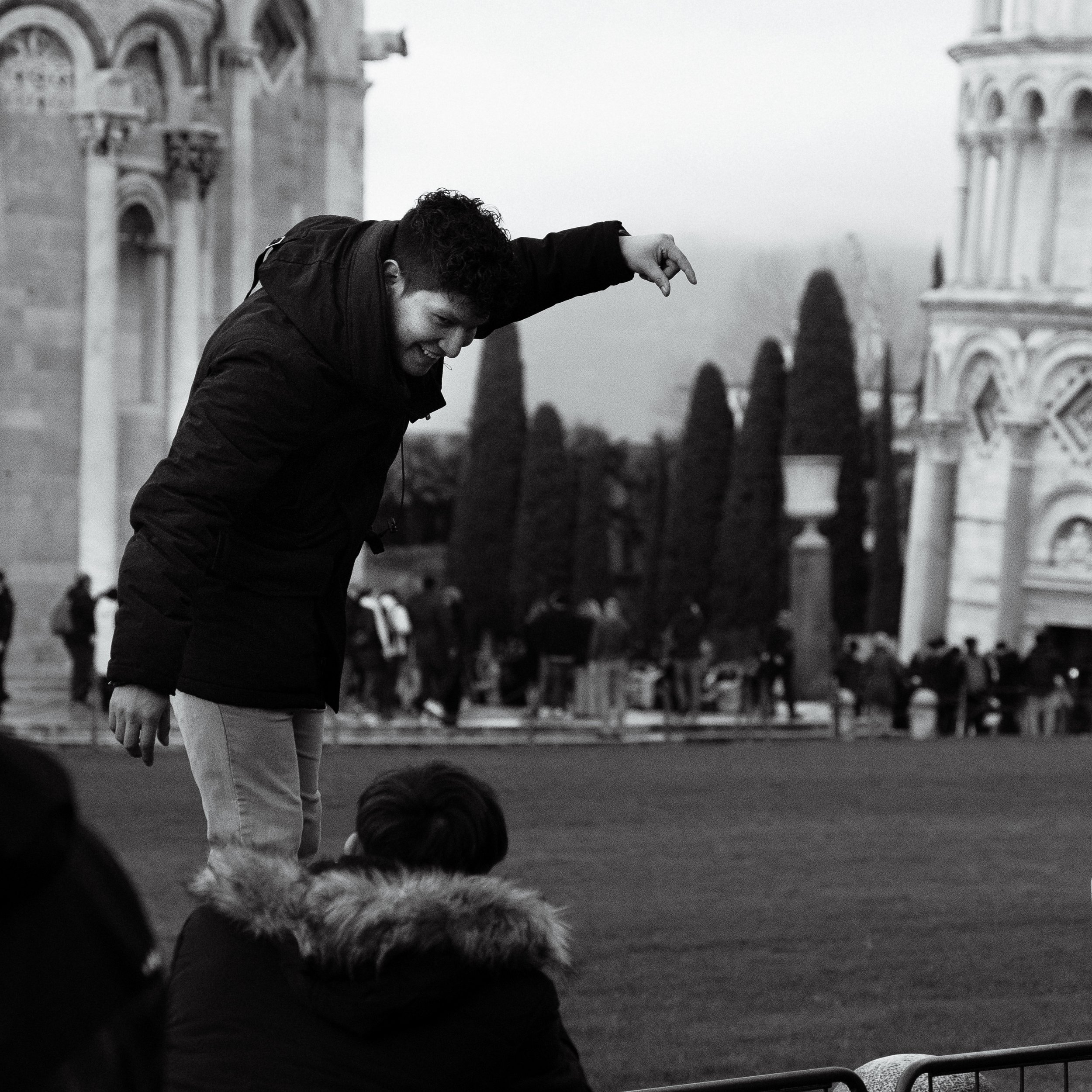
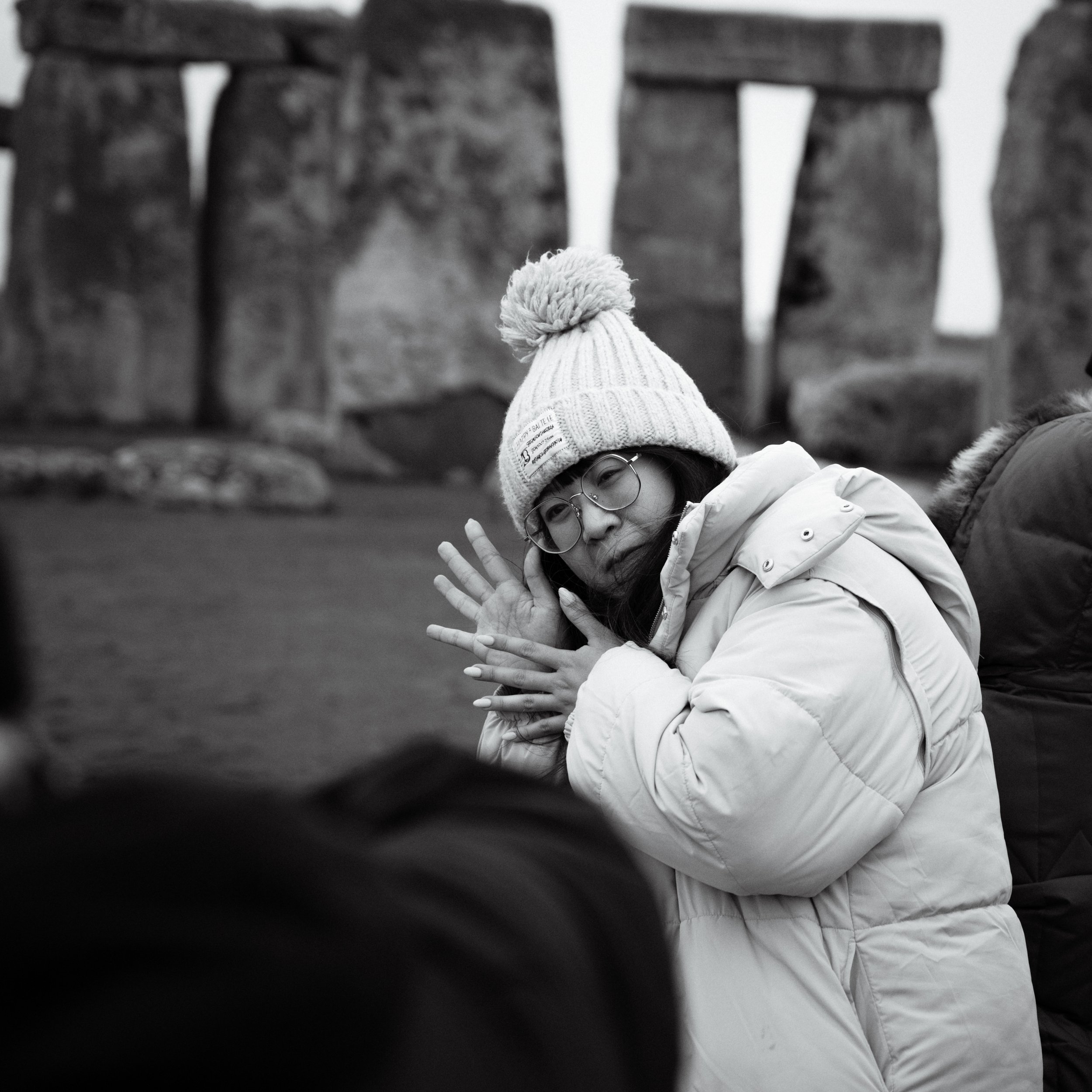
Charles Darwin proposed that species evolve toward greater complexity and fitness. I often wonder what he would think after seeing the Piazza dei Miracoli in Pisa or the Stonehenge boulders as they look nowadays: under siege.
Arrested Development is a long-term documentary project examining the regression of contemporary human culture. It’s a photographic record of a civilisation that has looked at good taste, weighed it carefully, and decided it probably wasn't worth the bother. Irony defeats discouragement. In the end, we all have a choice: the opportunity to do things differently, assuming we actually want to.
2025 — ongoing
The Project - Four Parts
Part 1 — Tourists Worldwide, 2025 - Ongoing
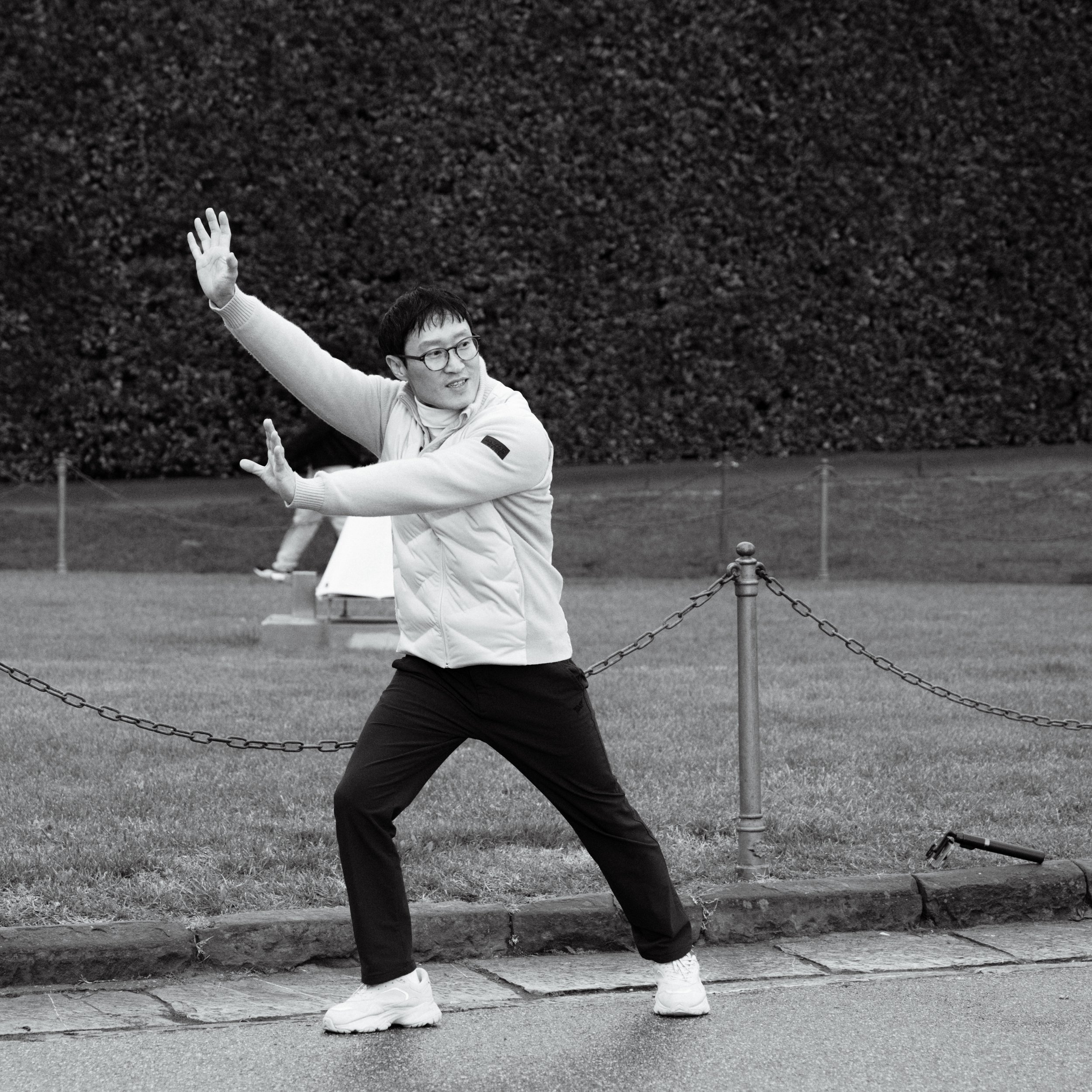
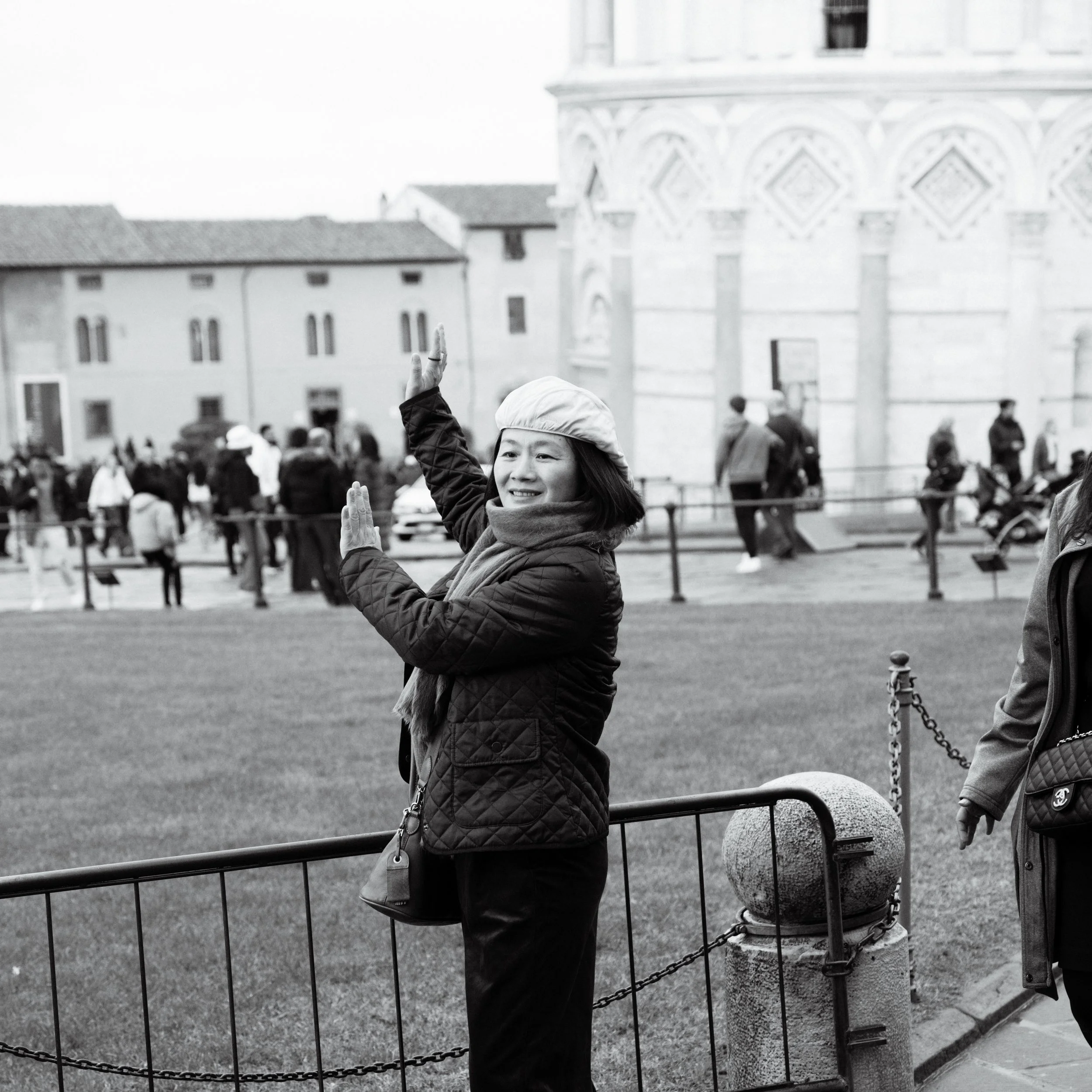
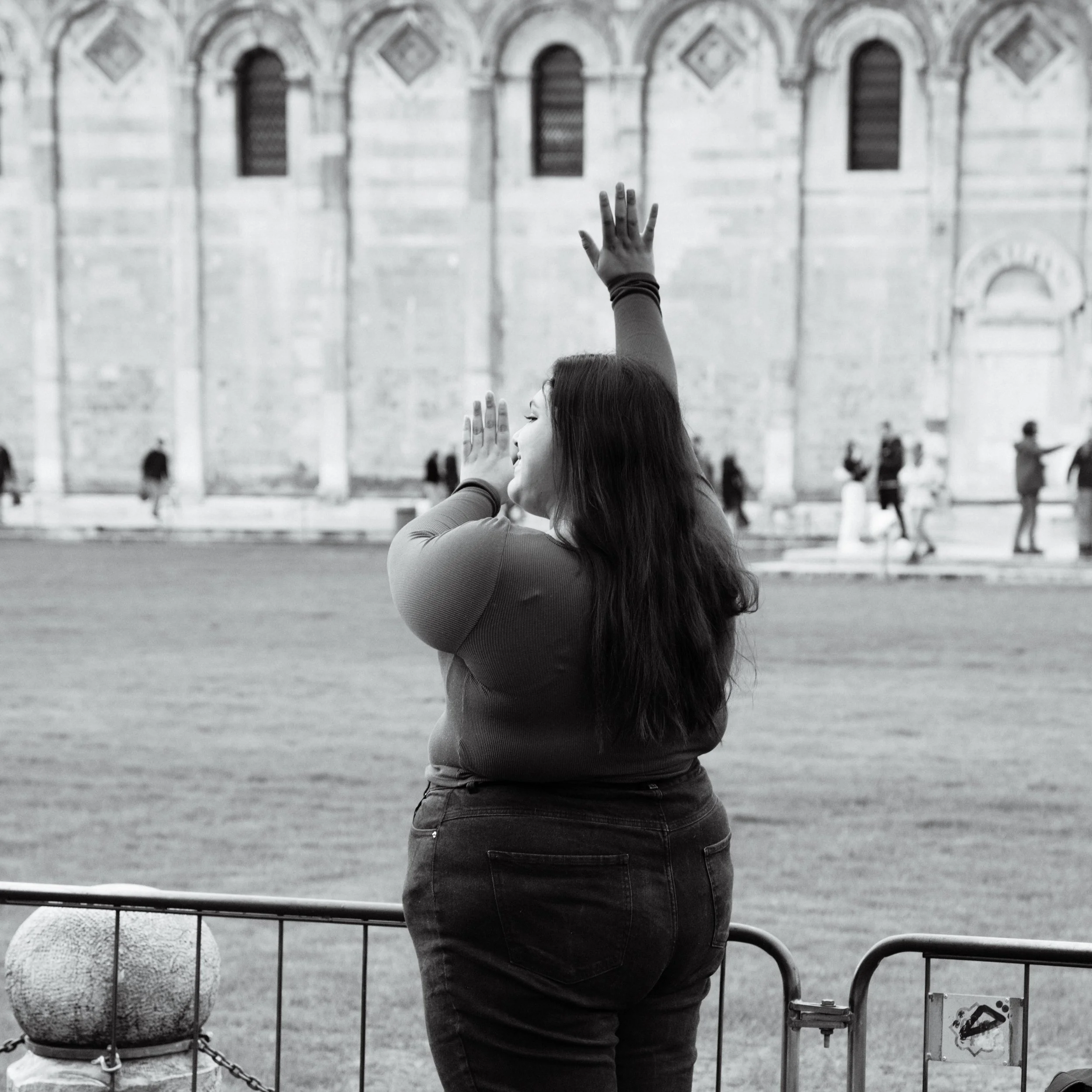
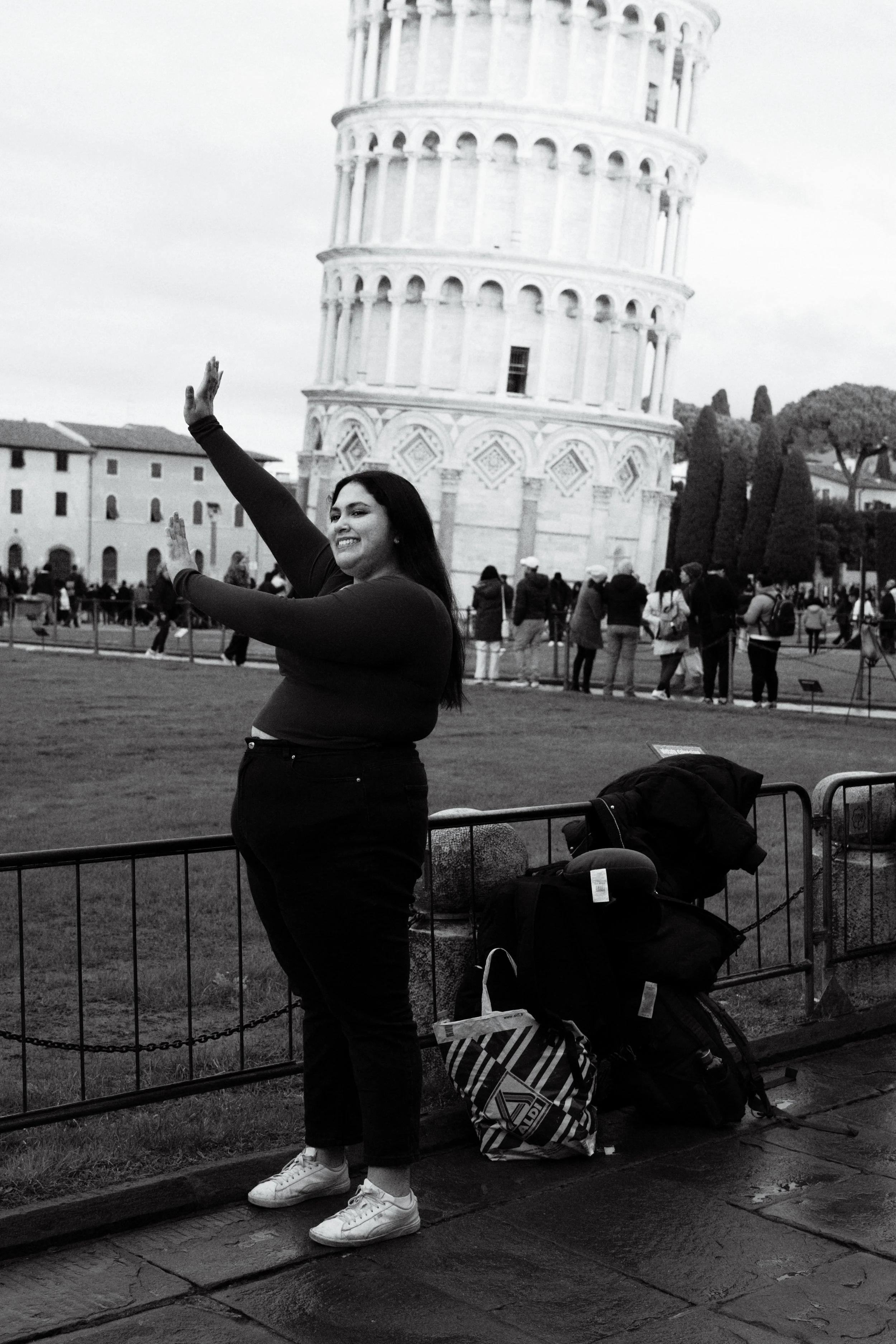
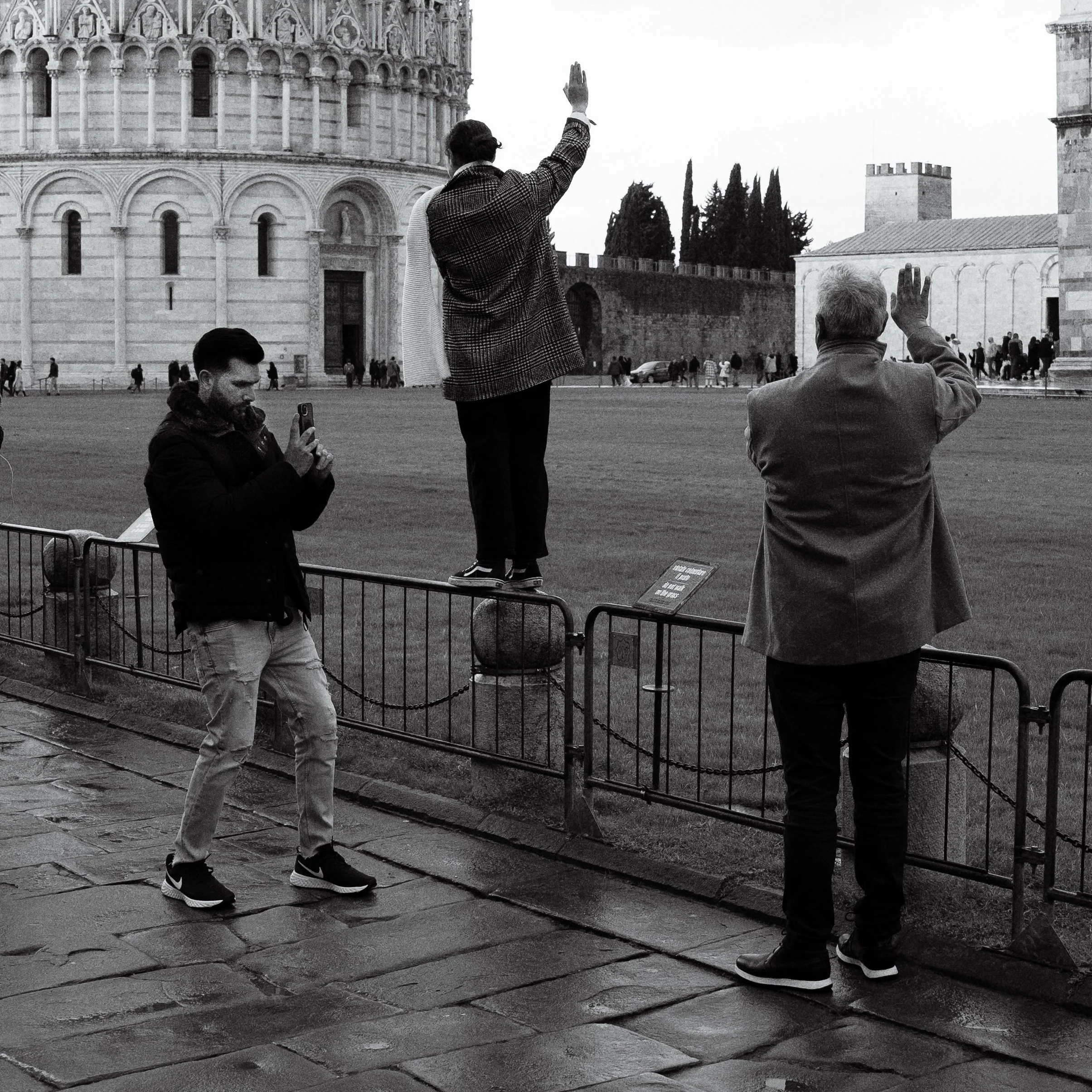
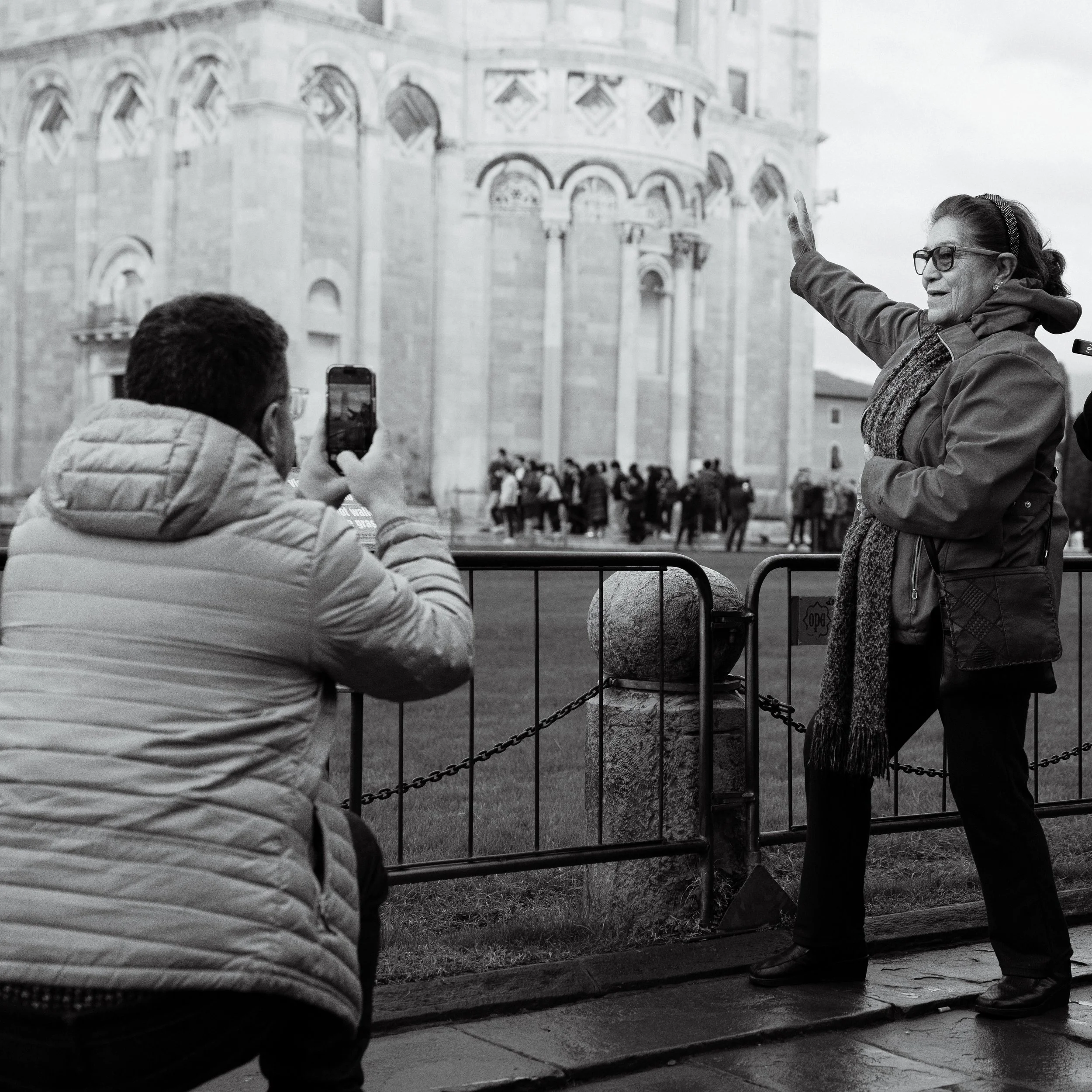
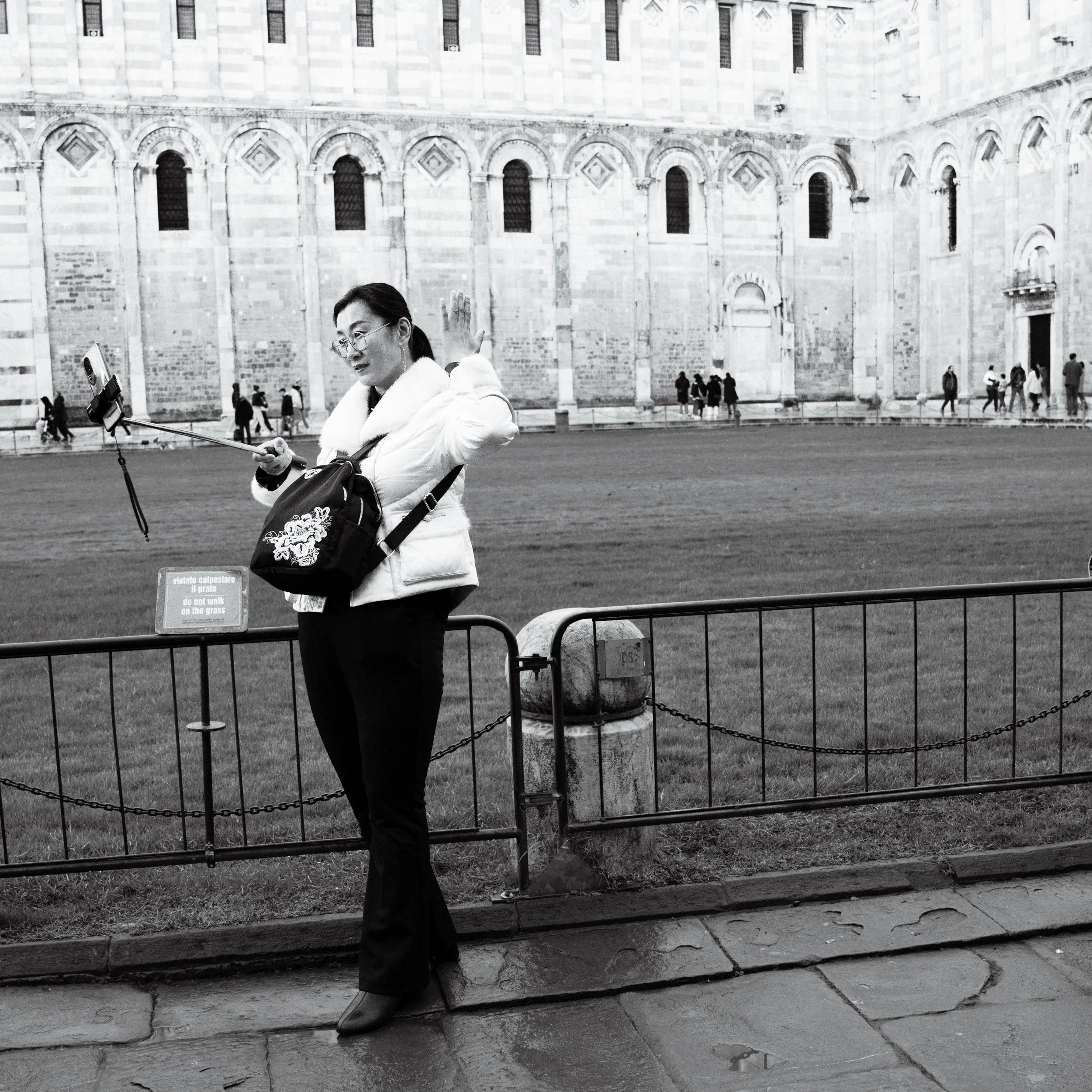
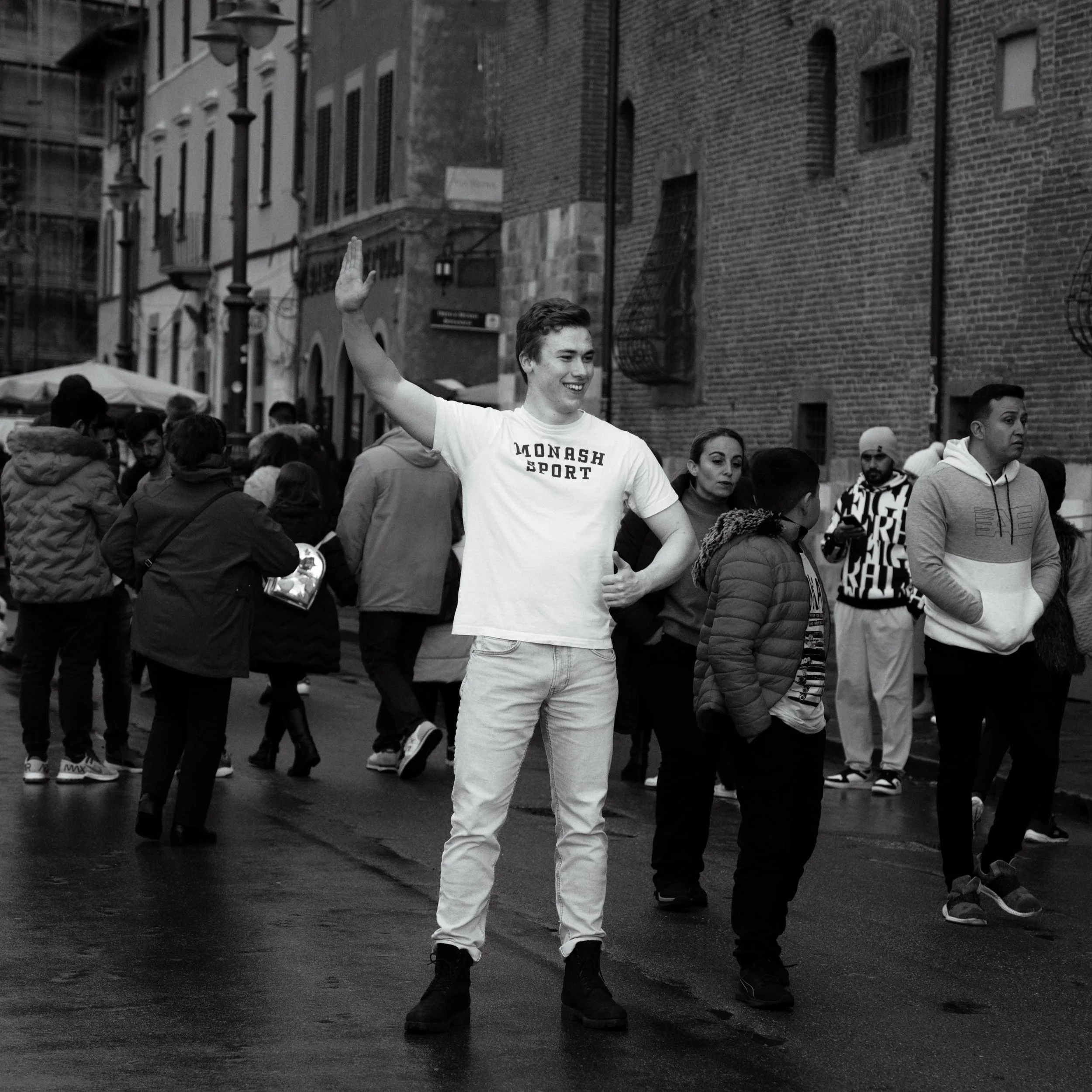
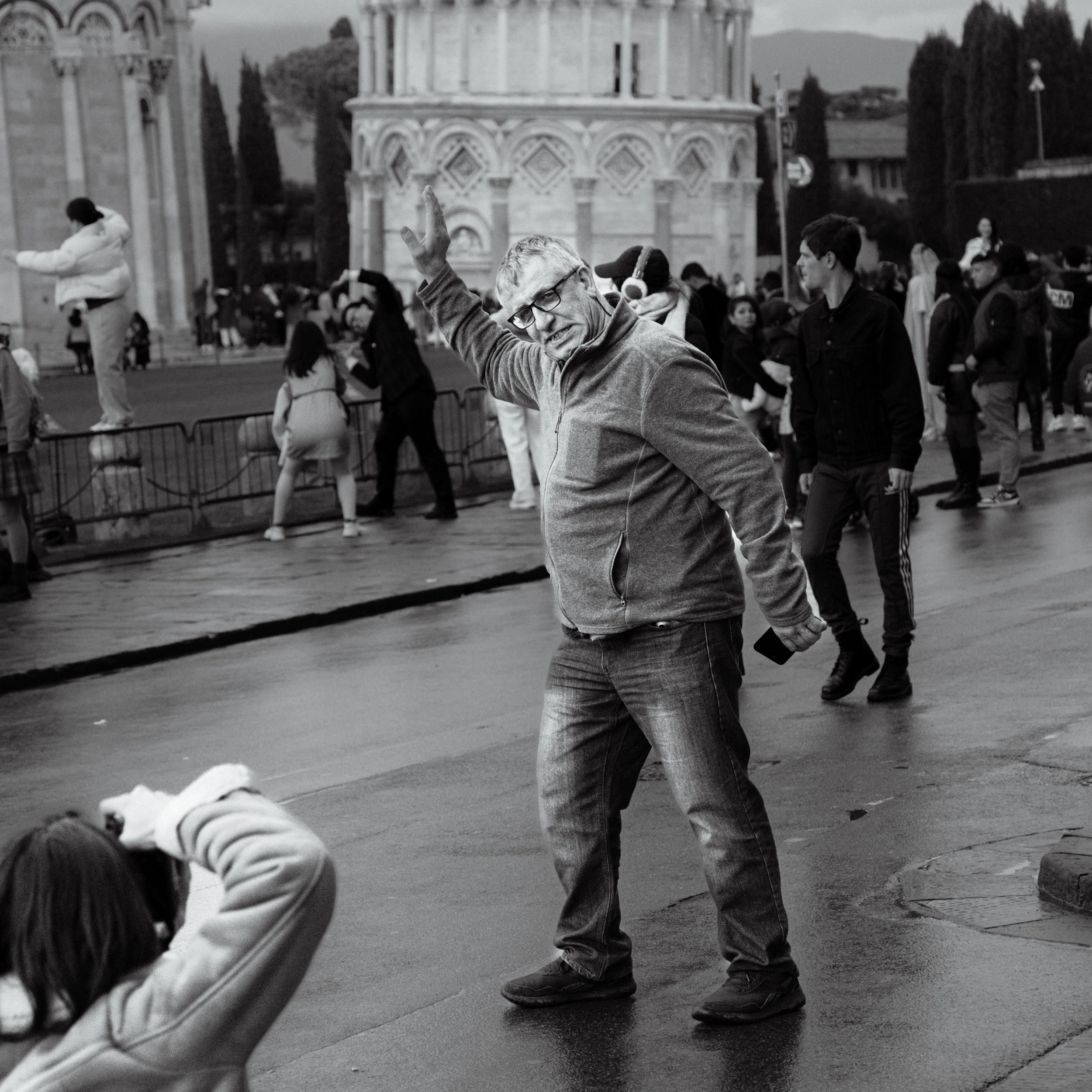
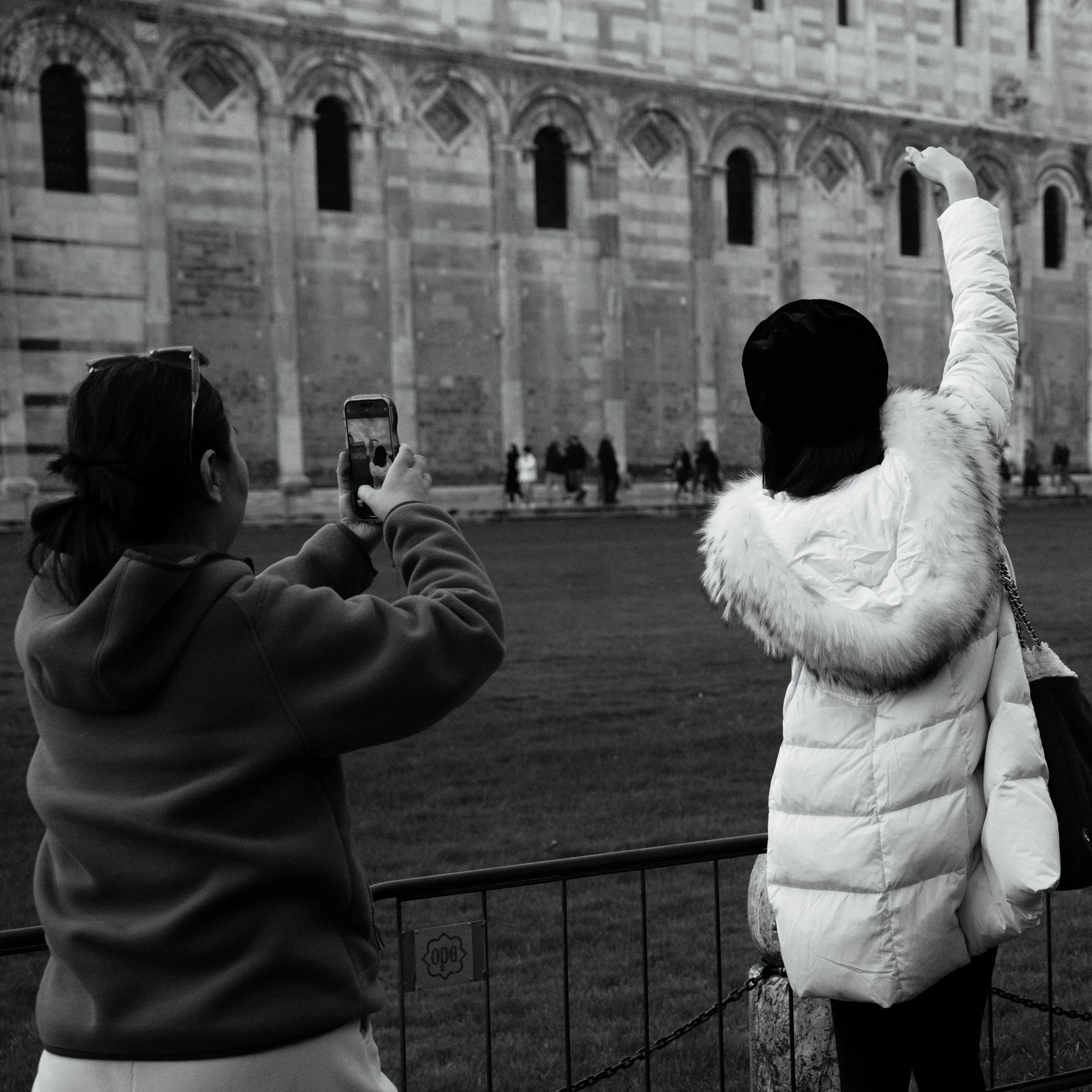
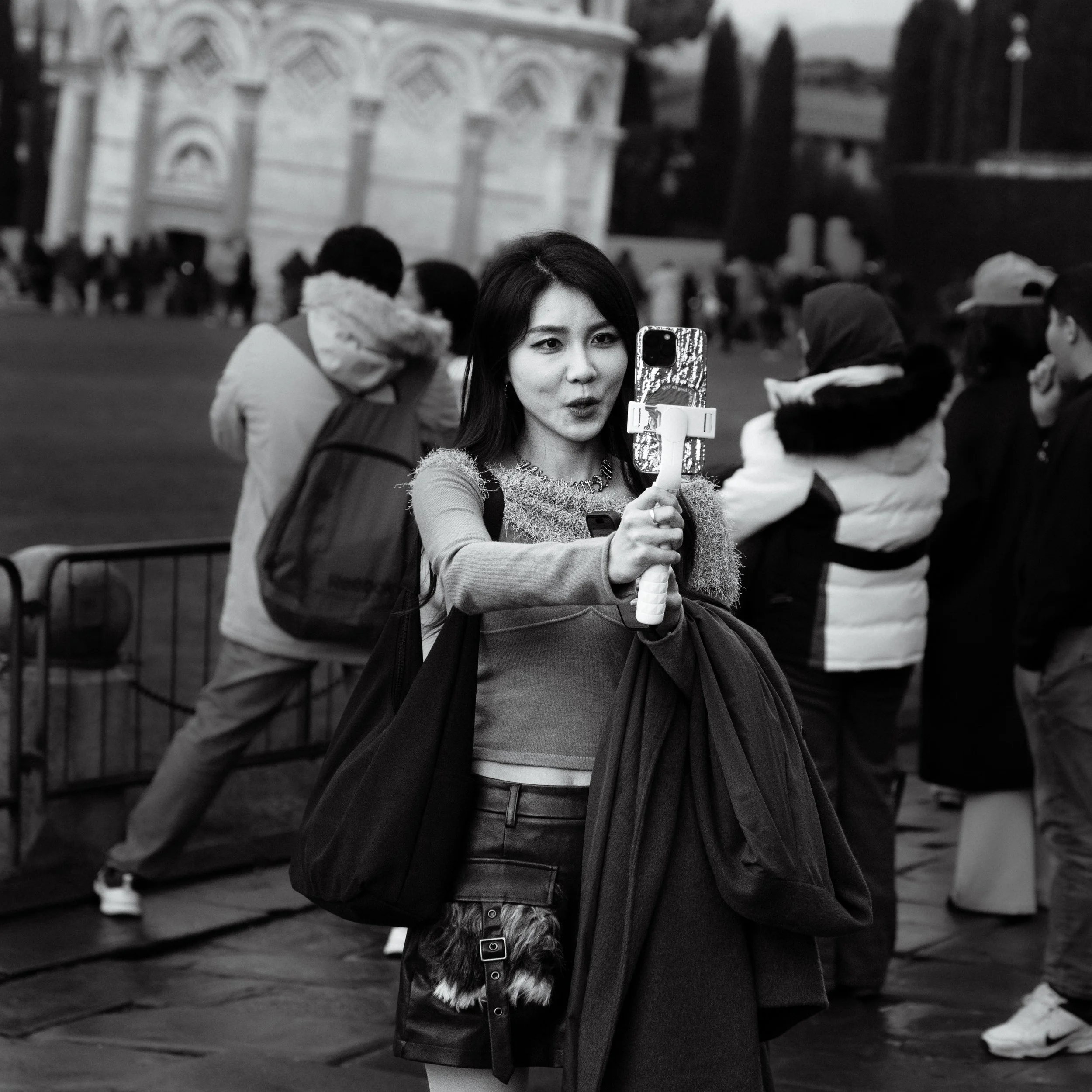
This is Part 1 of Arrested Development: a photographic demonstration, through observable behavior, that the human race is moving along a dysfunctional behavioral path, and marked by a general loss of good taste. Darwin was wrong. Or perhaps he simply never visited Pisa after the invention of the selfie stick.
Part 1 is also a personal tribute to Martin Parr, who passed away on the 6th of December 2025.
I had the immense fortune of meeting Martin during a video conference organised by Tomasz Trebiatowsky for FRAMES. We talked about his sources of inspiration. Since I am Italian, it was natural for him to move toward the subject of tourism and the places ruined by tourists. He mentioned Venice. He also knew Pisa well: a capital of kitsch behaviour conducted in the shadow of one of the world's great architectural achievements.
Martin photographed his subjects with love. I photograph mine with resigned fascination.
Part 2 — Aesthetics Worldwide, ongoing
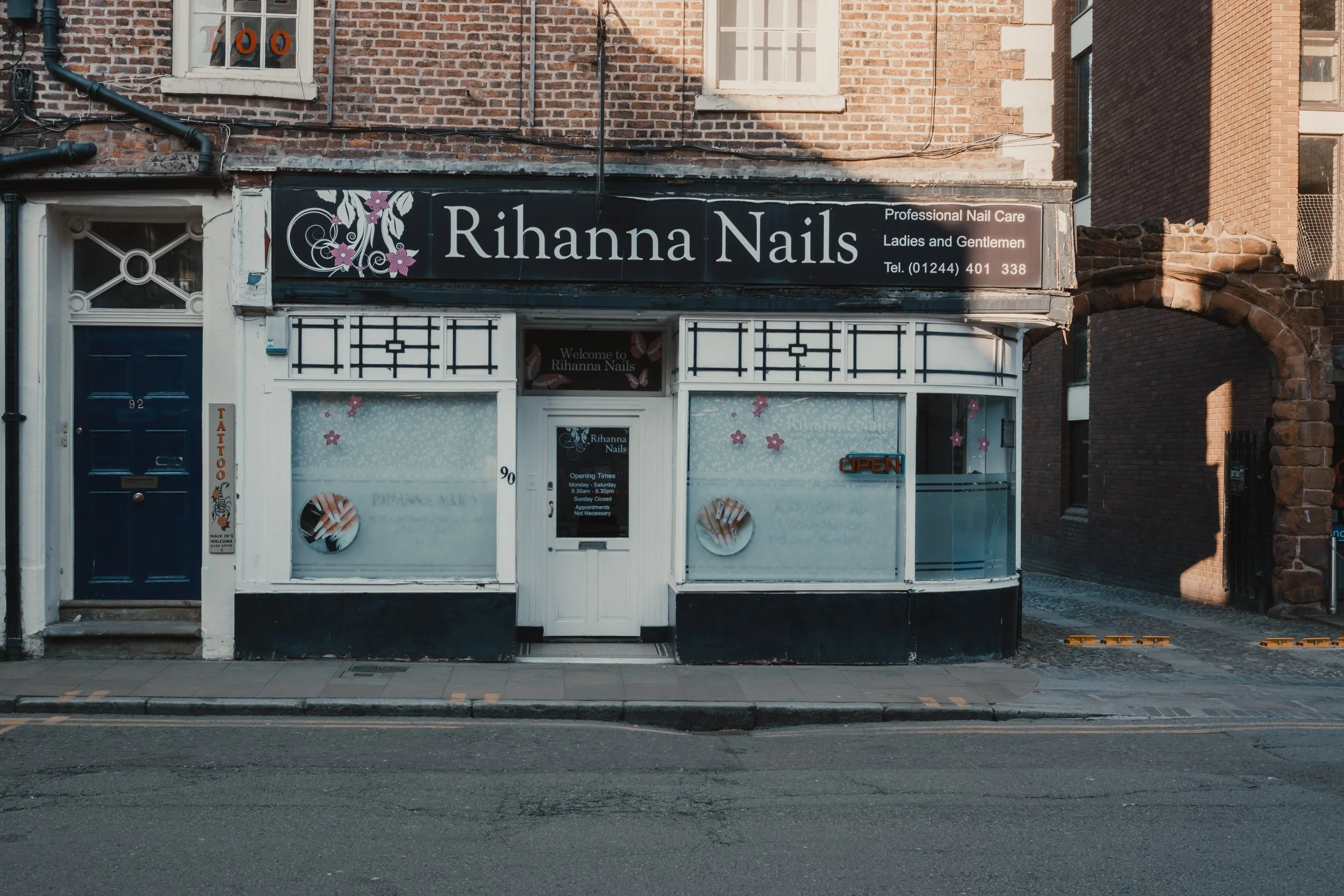
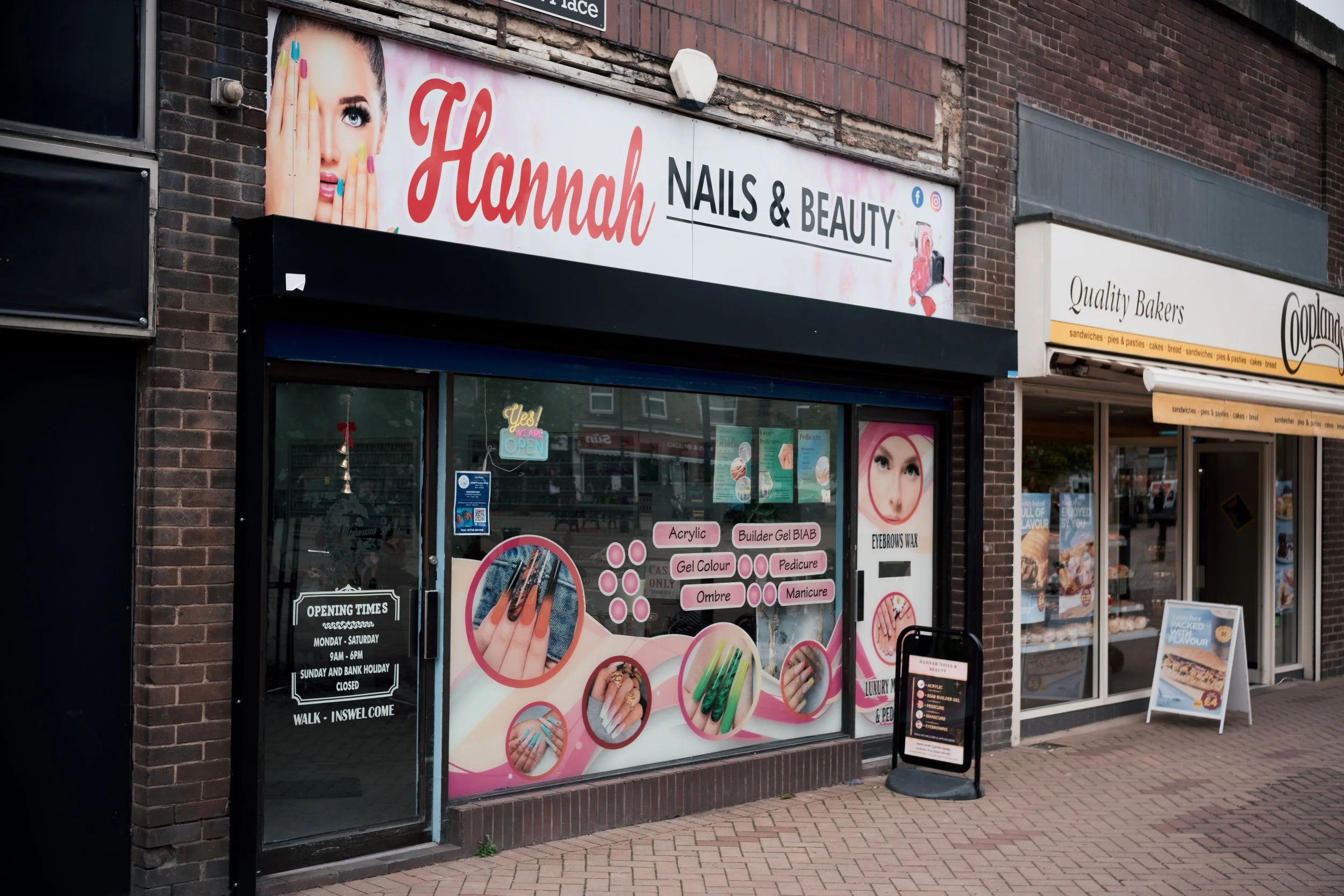
The industrialisation of personal decoration has produced a visual landscape of extraordinary ambition and variable outcome. Tattoos, acrylic nails, eyelash extensions: the body as billboard, the self as brand. Nothing bad or new about it; it's just that sometimes the underlying sense of beauty has gone missing and kitsch has taken its place.
Part 2 documents the result across geographies, because the phenomenon recognises no borders.
Part 3 — The High Street United Kingdom, ongoing
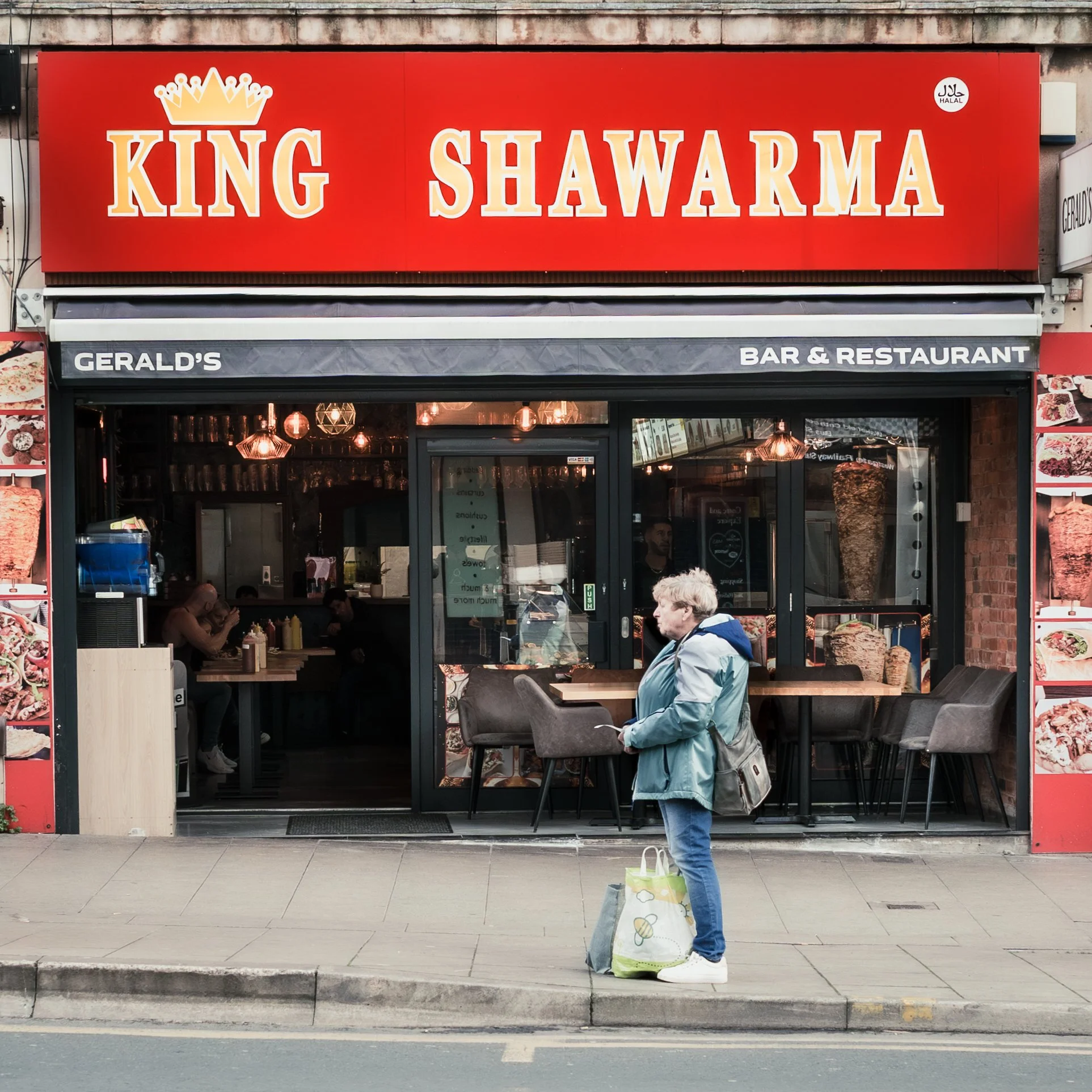
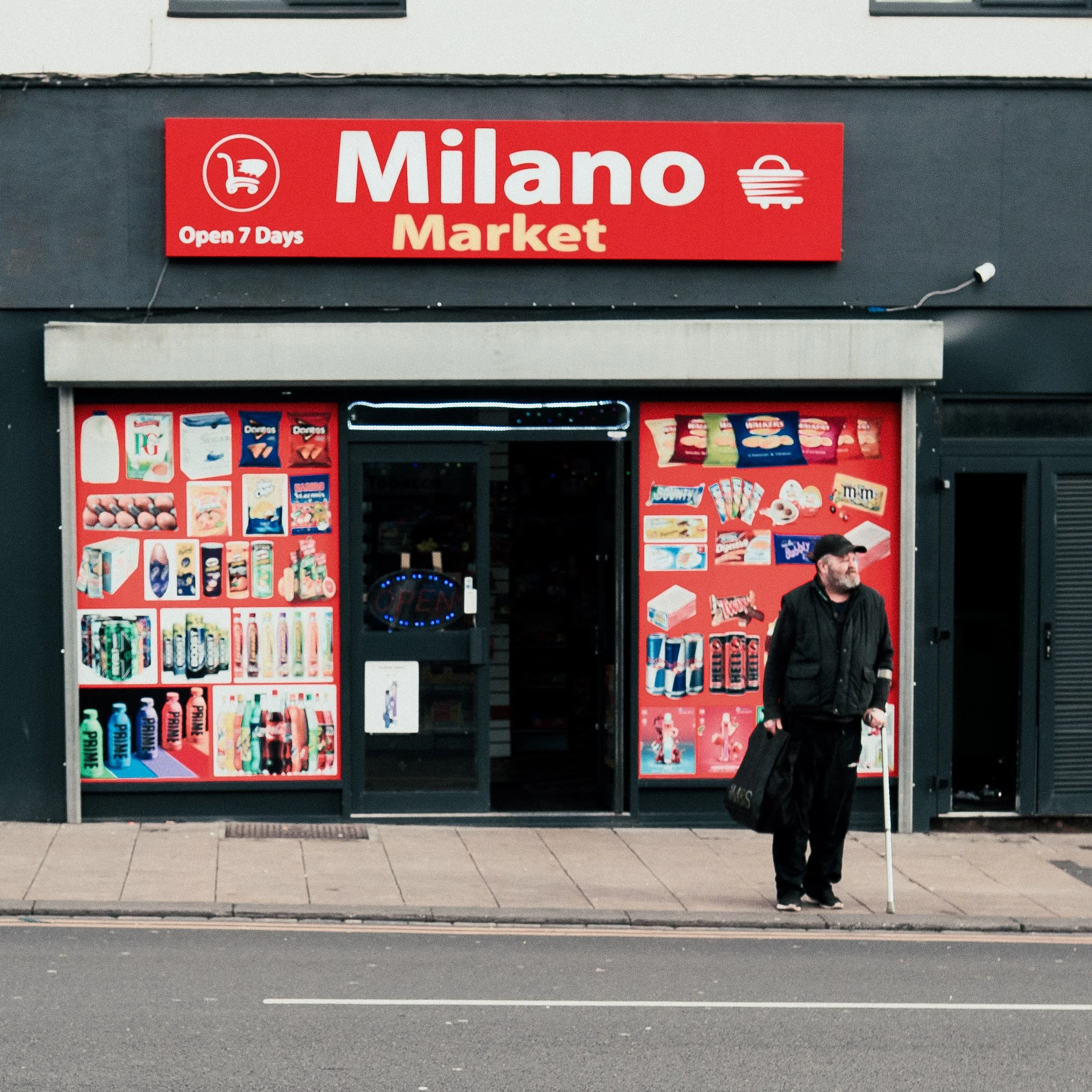
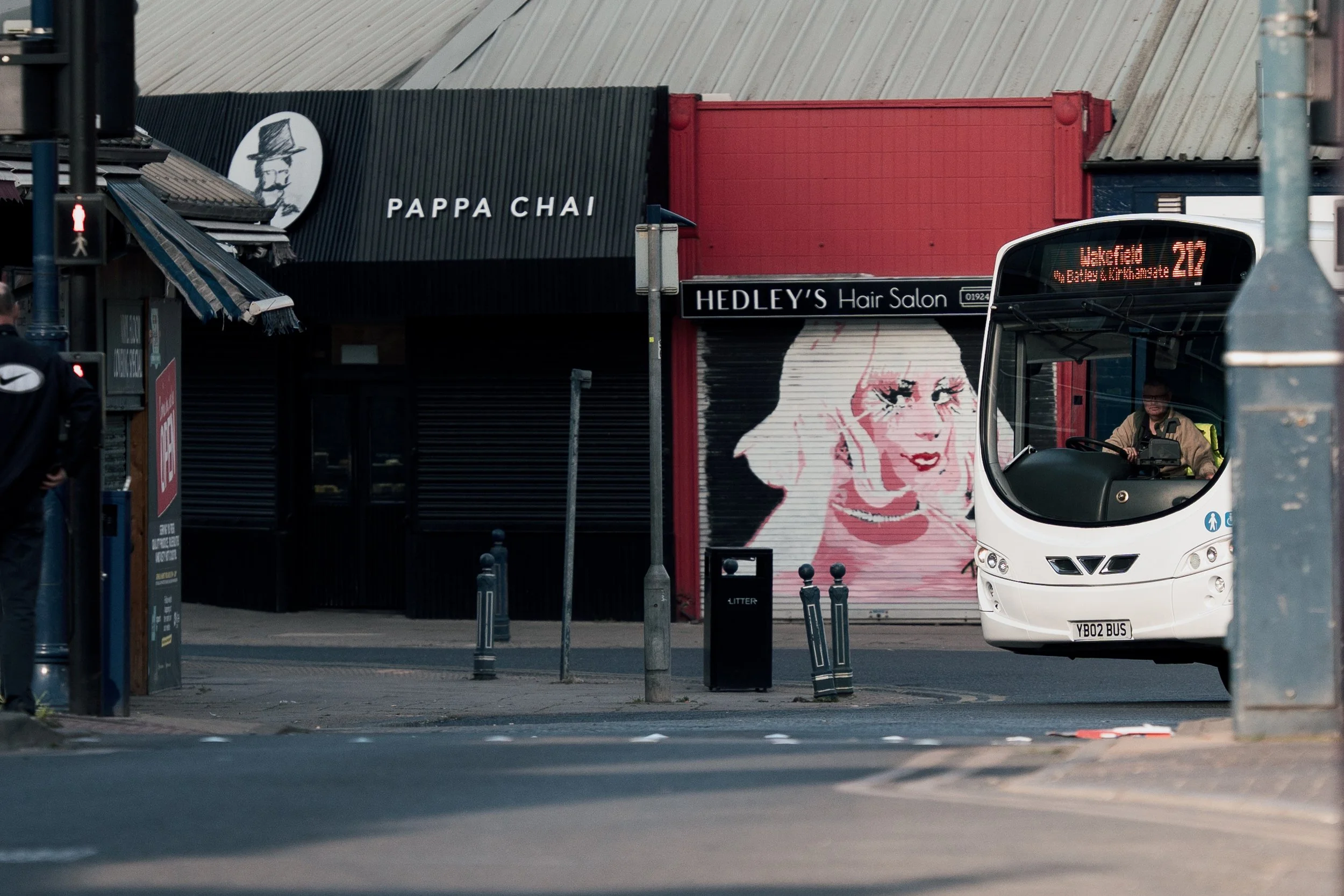
What replaced the butcher, the baker and the cosy restaurant right there on the lovely town square? The shawarma shop, the bubble tea franchise, and the fourth barber on the same street. Part 3 is a visual archaeology of the British high street: what was lost, what arrived, and what the resulting combination says about who we are now. I am not so sure that the balance looks good.
Part 4 — Leisure Worldwide, ongoing
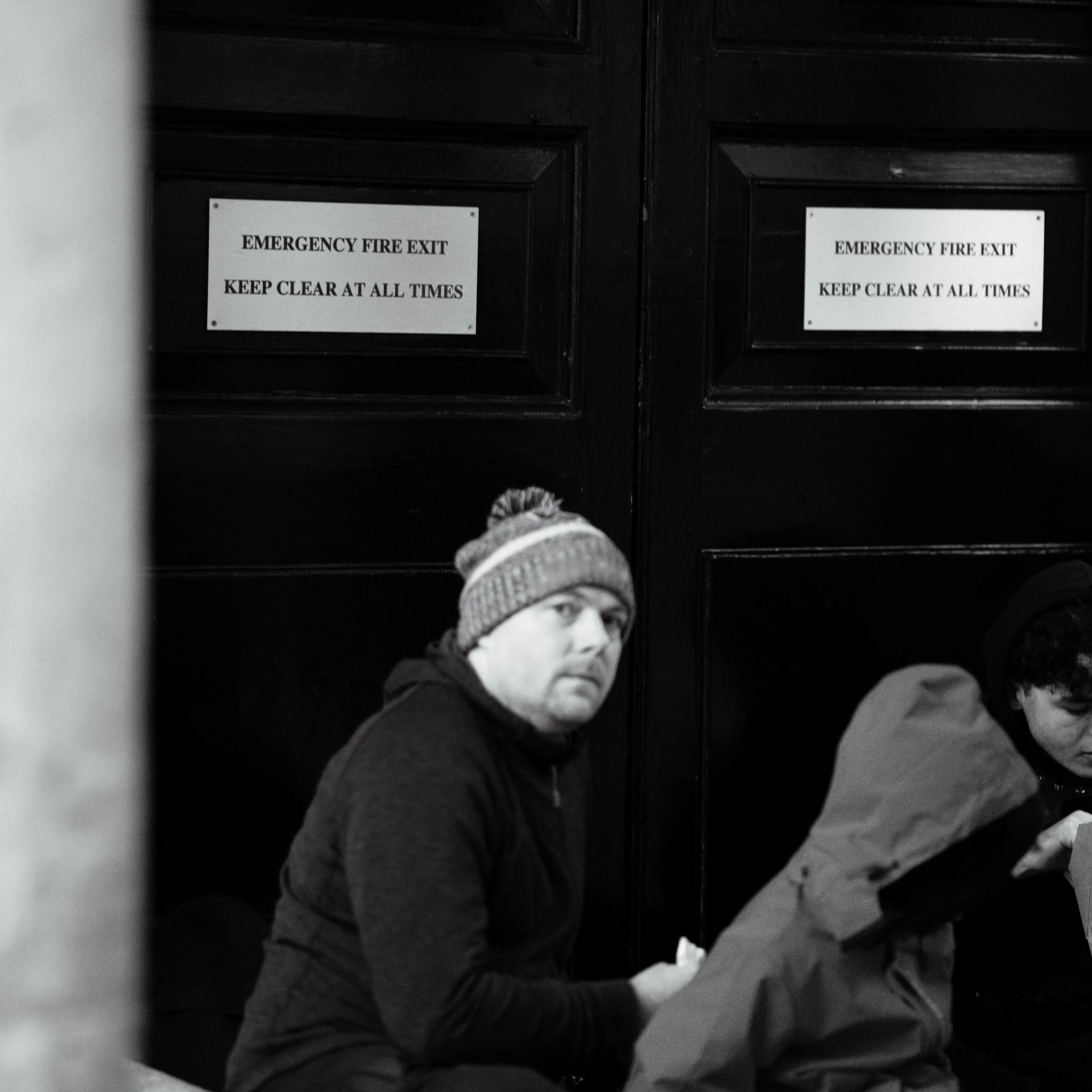
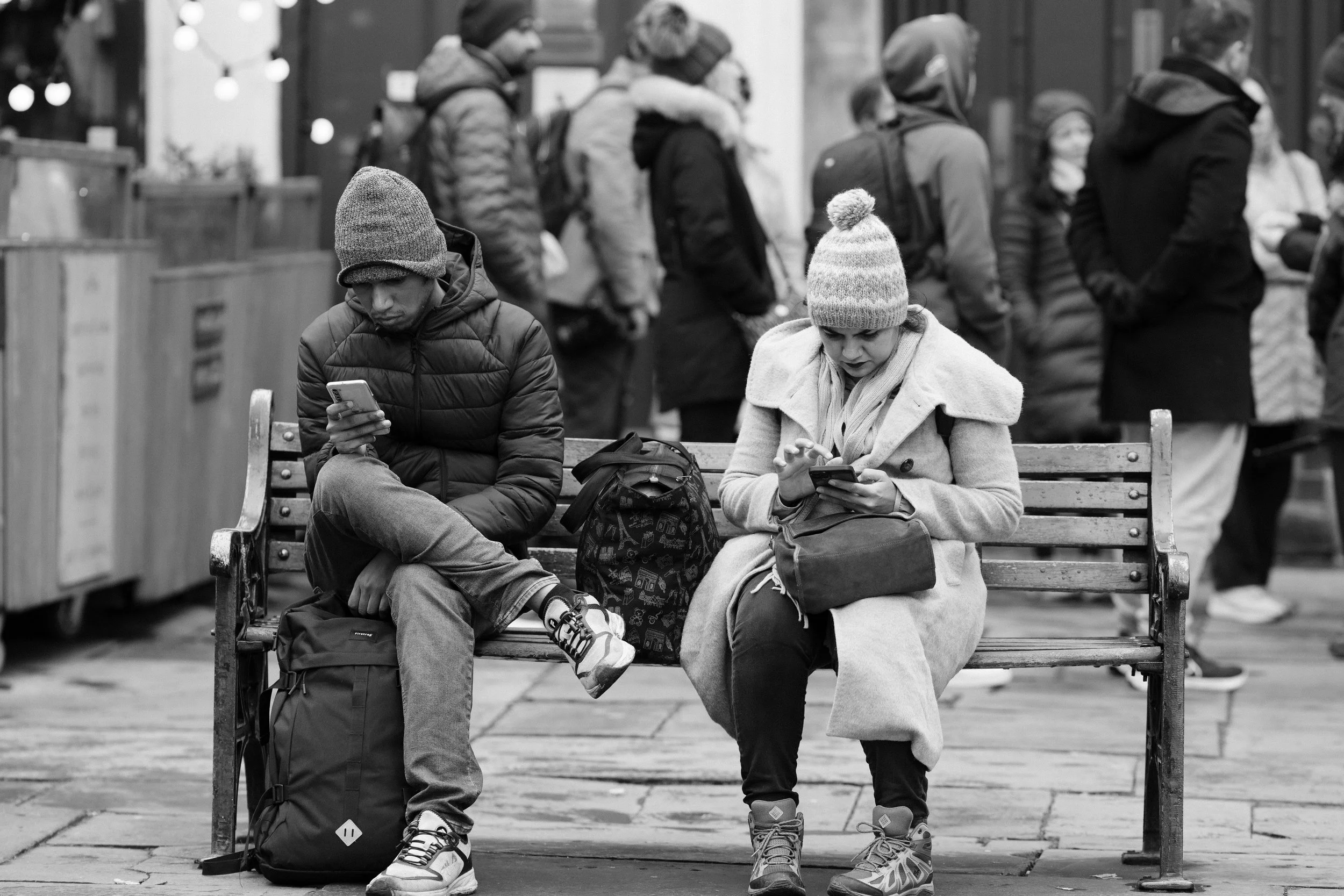
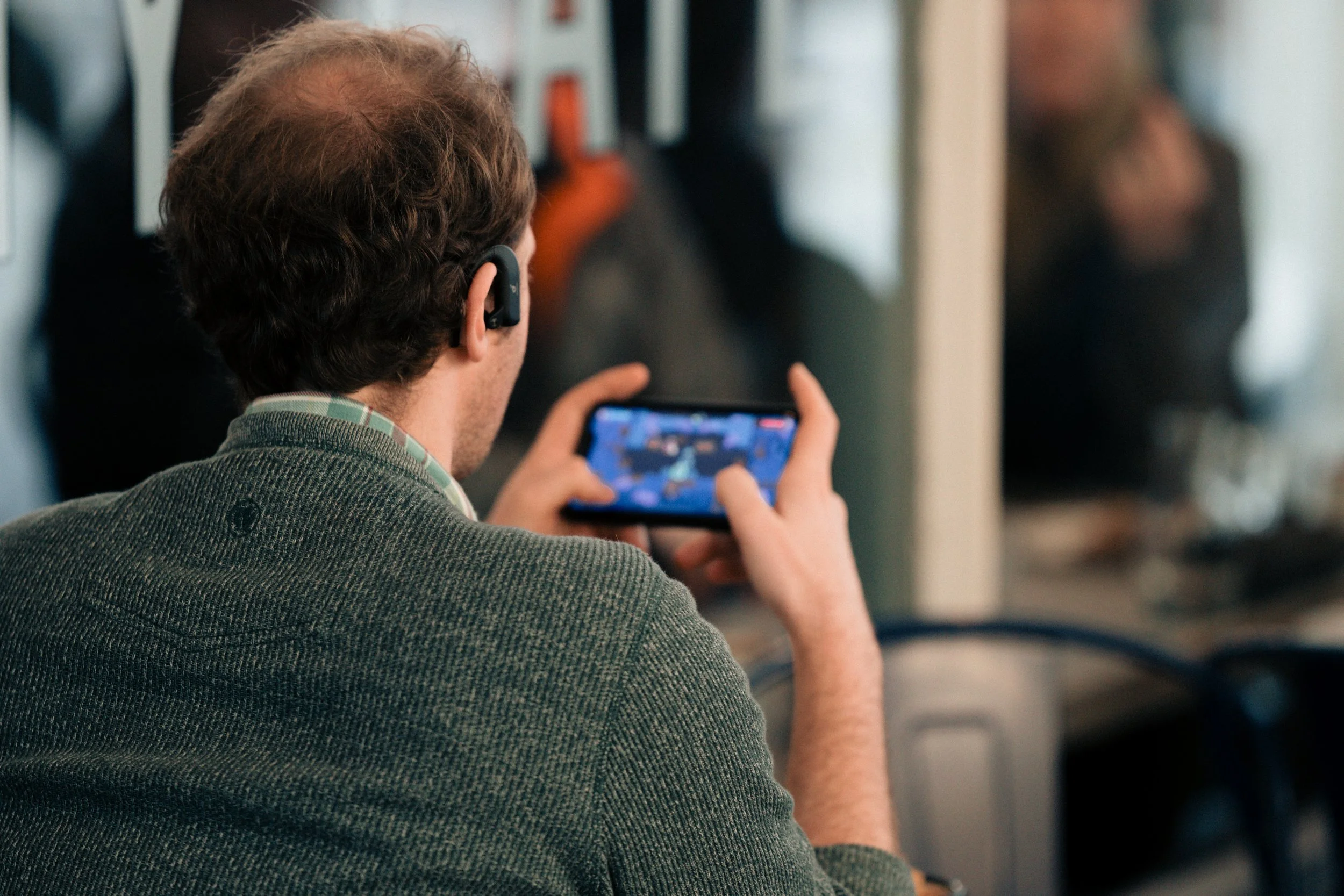
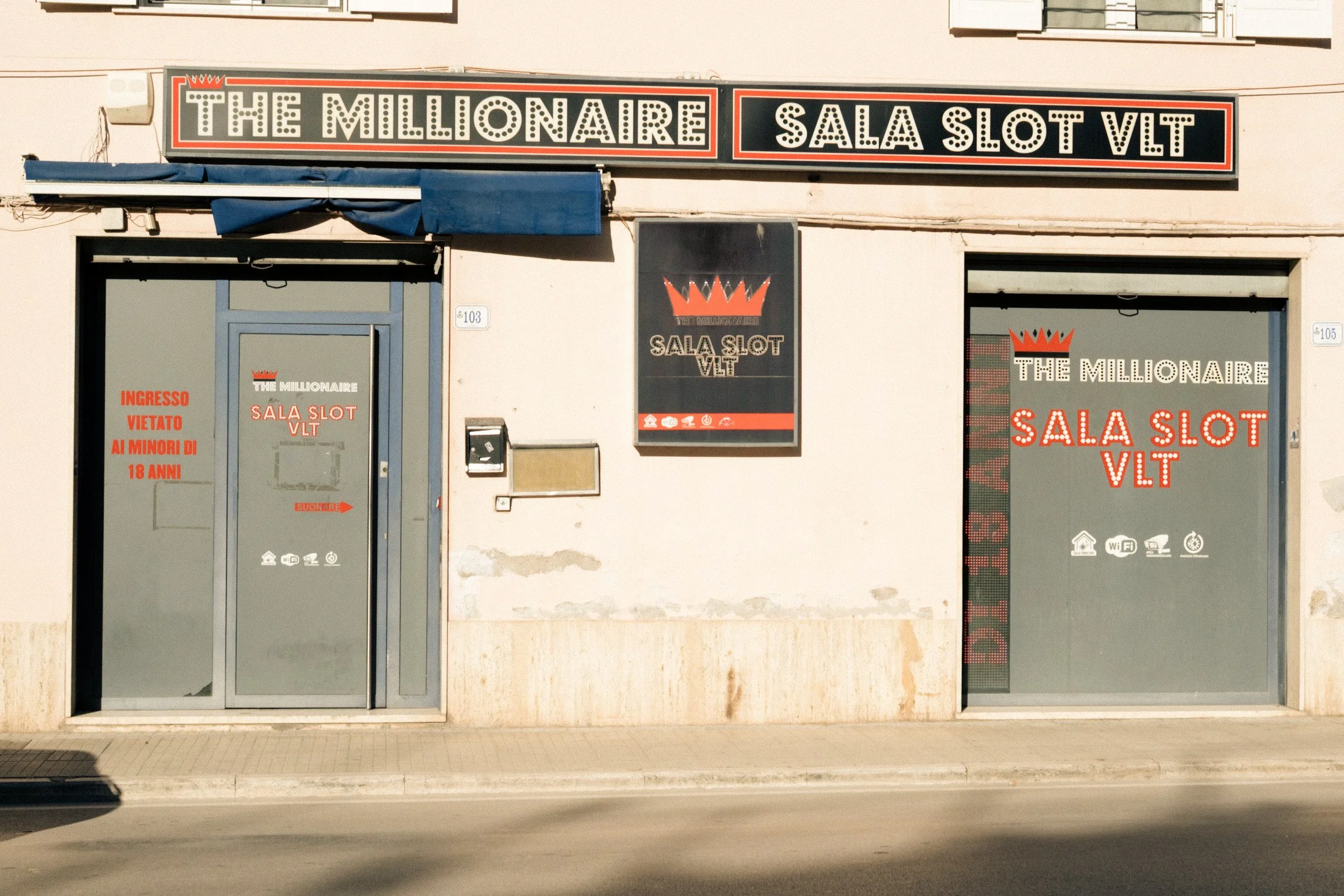
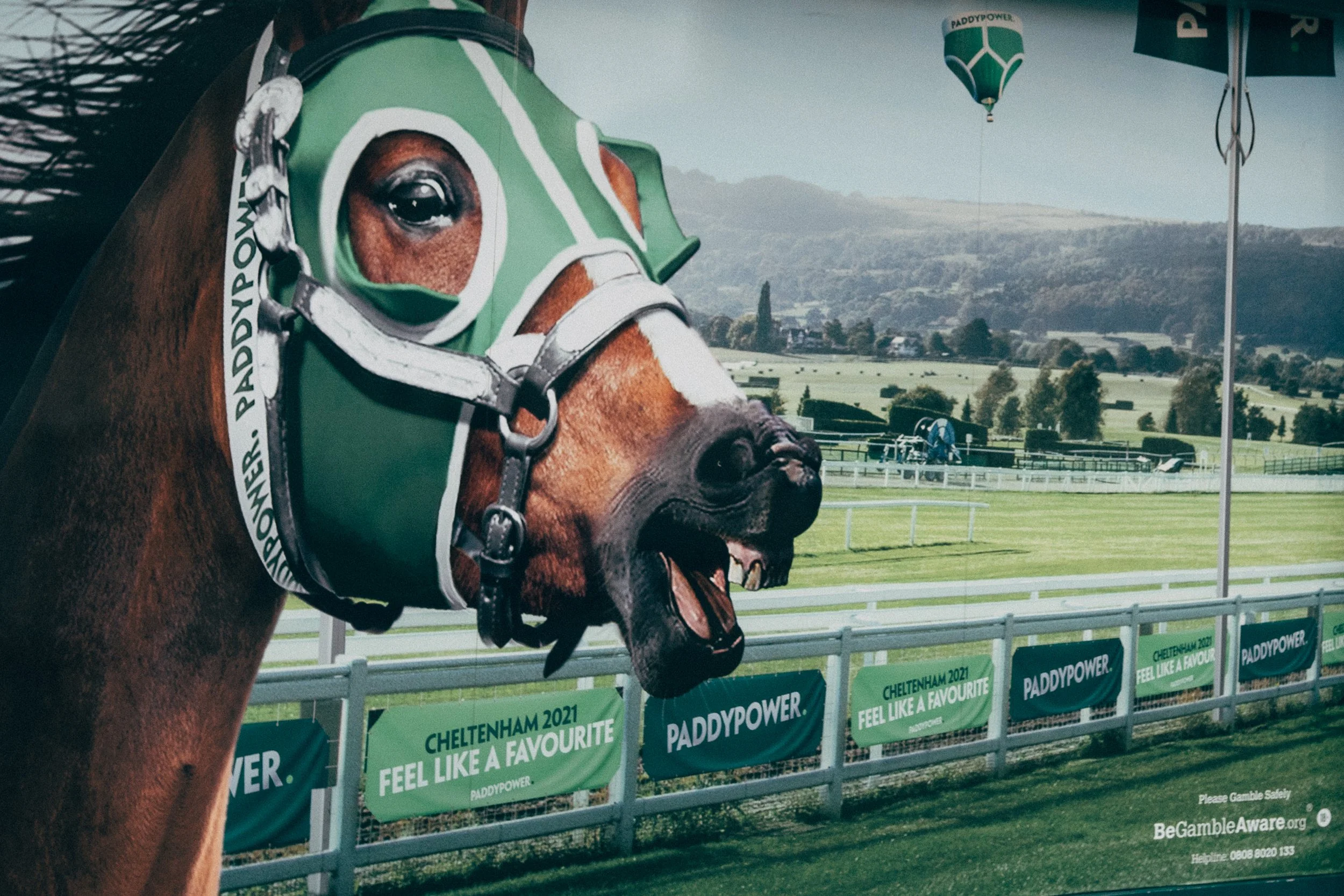
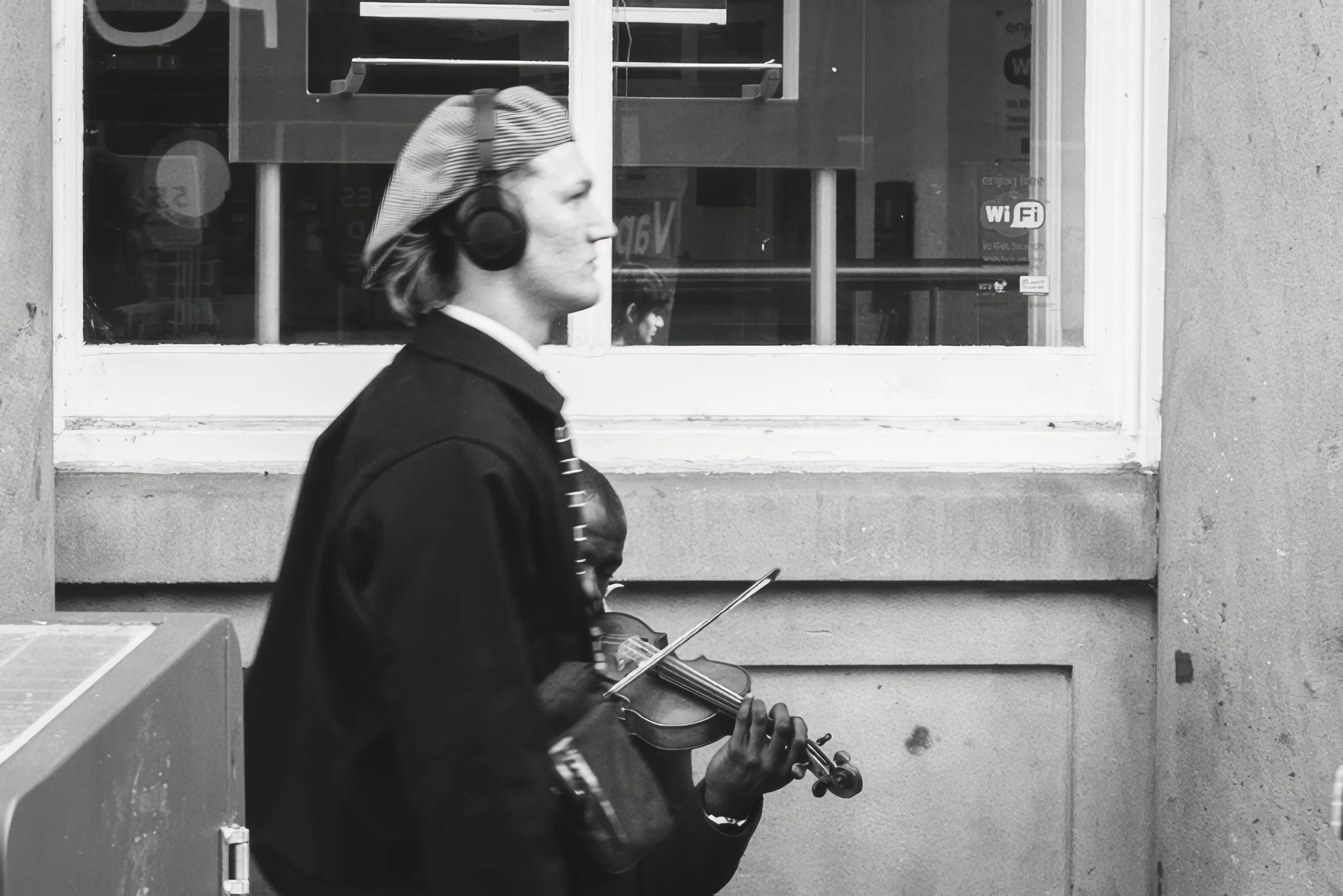
Betting shops, the electronic gambling machine that promises everything and delivers nothing. And quieter forms of absence too: the group of friends who are together but not present, each sealed inside their own audio world, occupying the same space without sharing it. Part 4 documents how contemporary leisure looks from the outside; which is to say, how it looks when nobody is performing for the camera, when all the selfies have been taken.